


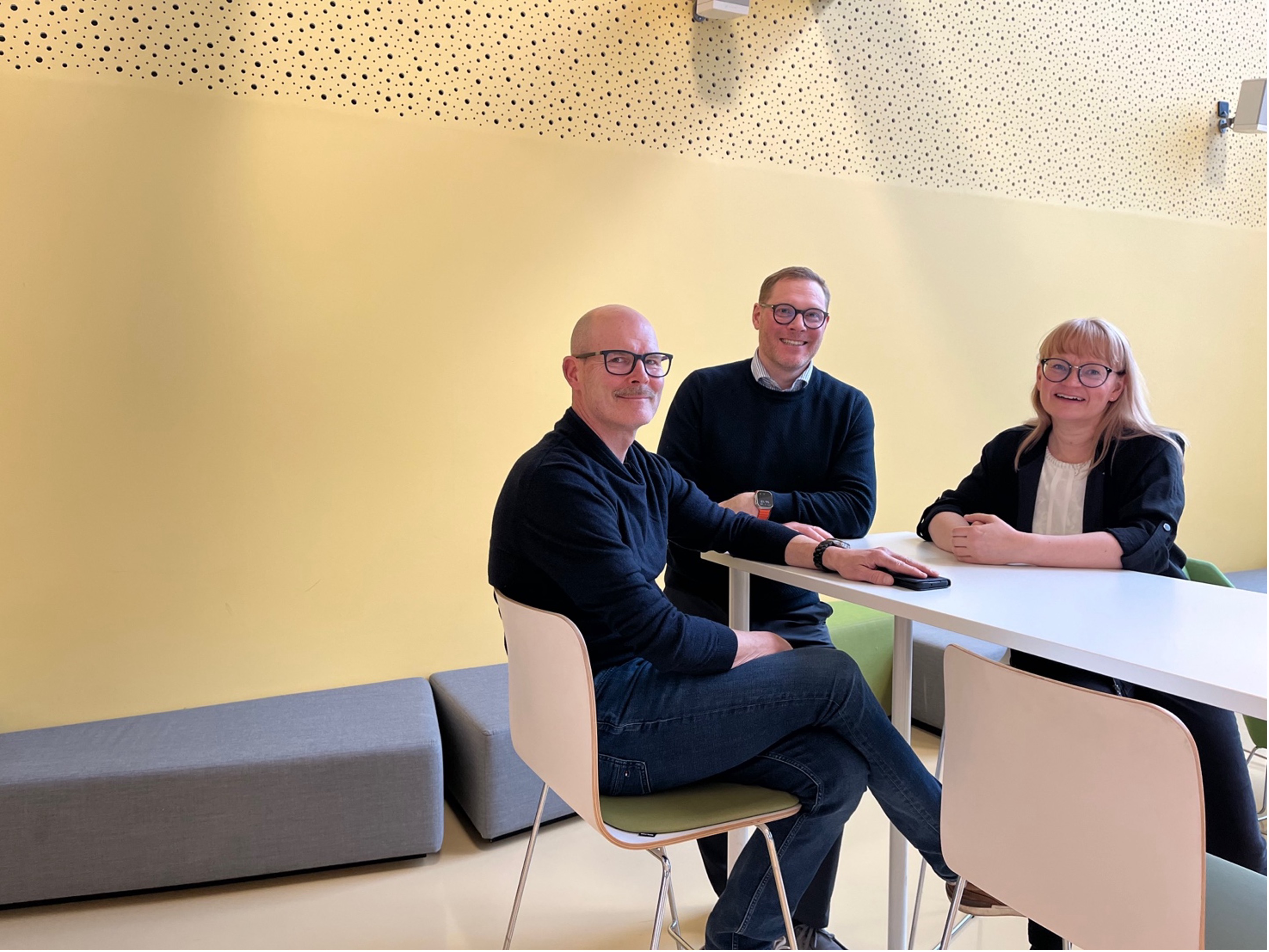
It was the early 2000s. Knee pain was commonly treated surgically, and one of the most common procedures was arthroscopic partial meniscectomy in which parts the inner meniscus, found to be degenerative, was removed from the knee joint. The procedure was also common at Hatanpää Hospital in Tampere, where Raine Sihvonen, a specialist in orthopaedics and traumatology, worked. At the same hospital, and even in the same operating rooms as Raine, Adjunct Professor Teppo Järvinen, who already had extensive research experience, was completing his specialty training.
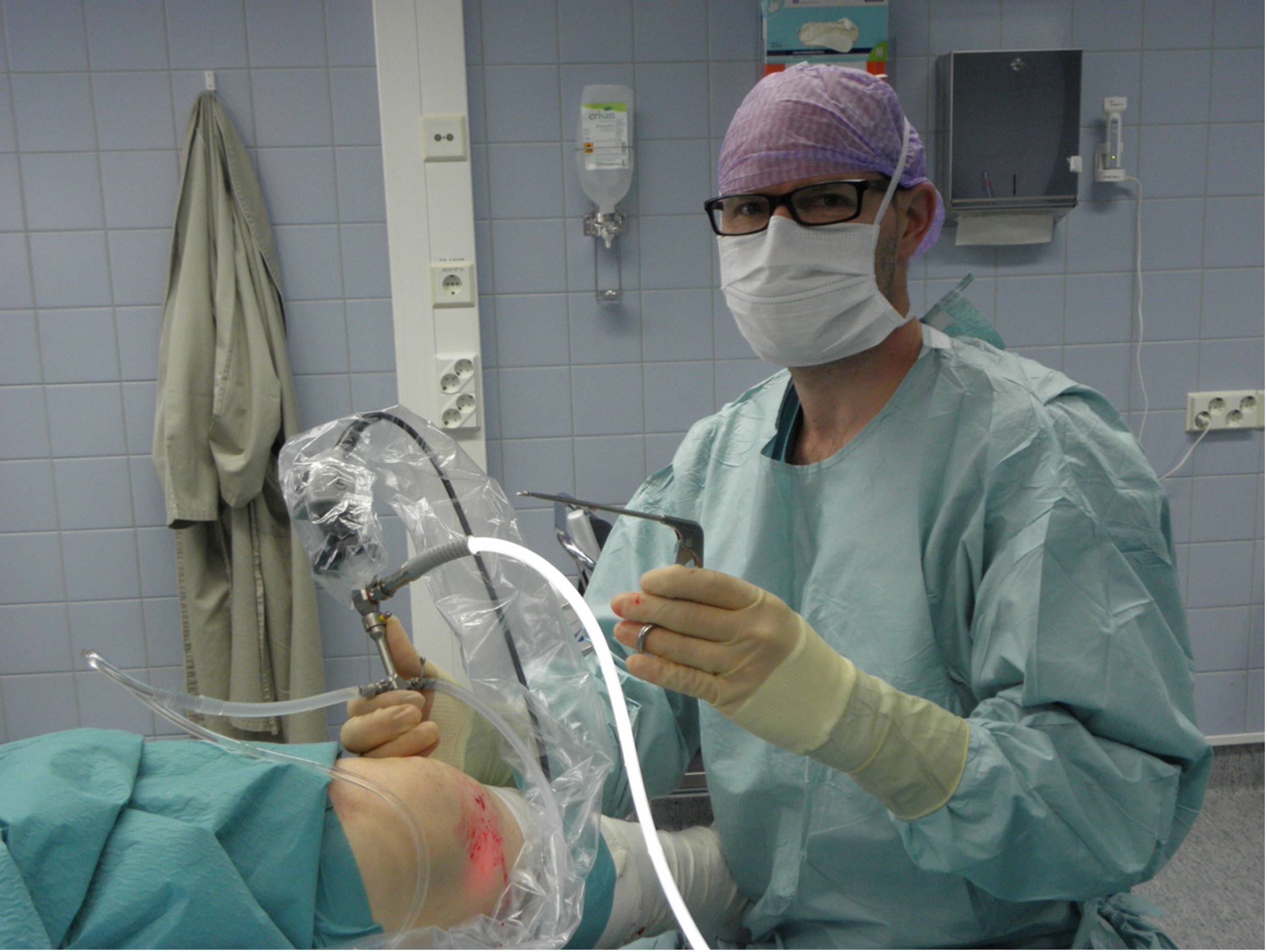
But was it really possible to treat patients’ pain by removing tissue, the meniscus, from the knee?
Even though it was not known where the pain really came from?
Even though most of the meniscus has no pain innervation and therefore cannot even sense pain?
In 2003, the FIMPACT shoulder impingement study, led by Mika Paavola, a specialist in orthopaedics and traumatology, had already begun at Hatanpää Hospital. The study assessed the true effectiveness of a procedure that was used to treat shoulder pain: acromioplasty, partial removal of the acromion. The study protocol included performing only arthroscopy in the operating room for some of the participating research patients. Teppo Järvinen was also involved in that project.
Should arthroscopic partial meniscectomy also be studied?
Should a study be conducted that would more clearly answer the question of whether the procedure had an effect or not?
Should a placebo-surgery trial be carried out?
The research idea developed into a study plan through collaboration between Teppo Järvinen and Raine Sihvonen. Support for the plans was sought not only from Mika Paavola, but also from Antti Malmivaara, an experienced researcher at the Finnish Institute for Health and Welfare. Although placebo-surgery trials had not yet been conducted in Finland, both individuals were known to have strong experience in RCT studies. A steering group was established for the trial.
The FIDELITY project proceeded to review
In its preliminary review, the medical ethics committee approached the idea of placebo surgery with caution. The committee scrutinized the plans of the project led by young researchers, requiring several rounds of review before issuing a favorable opinion. The first authority to grant a research permit was the City of Tampere. They stipulated that the research permit at Hatanpää Hospital would remain valid only if the well-being of the study patients could be ensured through additional reporting submitted to the research permit committee. Otherwise, the approved study would be discontinued.
Preparations for launching the study were enthusiastic, but additional staff were needed. Physiotherapist Pirjo Toivonen was hired, partly by chance, as a clinical research coordinator. Her employment began two weeks later. The number of researchers responsible for post-procedure follow-up was also increased, as patient well-being had to be ensured and, if necessary, assessed during the course of the study.
One of the core aspects of the study was blinding. To ensure successful recruitment, it had been determined that the recruiting and operating study physician, Raine Sihvonen, would be blinded to what happened to patients after the procedure. The individuals responsible for follow-up care, in turn, would be blinded to the procedure performed, as would the patients themselves. In due course, the outcome analysis would also be carried out according the principles of the blinded data interpretation.
After the processes and documentation had been finalized, the study was ready for recruitment.
Carried out by a motivated group, the study progressed as planned, with approximately 20 study patients per year giving their informed consent to participate. Two years later, it was observed that recruitment would probably take a modest total of 7.5 years if continued without interruption. It was therefore decided, with broad agreement, that the FIDELITY study would be expanded into a multicentre trial. Specialists in orthopaedics and traumatology Heikki Nurmi from Jyväskylä, Ari Itälä from Turku, Antti Joukainen from Kuopio, and Juha Kalske from Helsinki joined the project. The coordination of the study, and for the most part also patient follow-up, remained on Pirjo’s desk, while recruitment also continued at Hatanpää Hospital. Comprehensive cooperation among the researchers, research nurses, and clinic staff was, however, essential to the work.
This collaboration also bore fruit, and after a total recruitment period of approximately four years, the target number of study participants specified in the power calculations was reached: 146 patients were randomized either to arthroscopic partial meniscectomy or to a placebo surgery. The FIDELITY project then moved fully into the follow-up phase.
The follow-up results at just one year attracted attention: the patients recovered well.
But.
There was no difference in patient recovery, whether the treatment was partial removal of a degenerative meniscus or sham surgery.
The results of the FIDELITY’s one-year follow-up were published on 26 December 2013 in the internationally respected scientific journal The New England Journal of Medicine. The study attracted considerable interest, and its results were communicated and reported in media around the world on the day of publication, continuing as the morning after publication dawned in new newsrooms.
Raine also received a call from a colleague: Dr. Sihvonen from Hatanpää Hospital had been shown on the local news performing a knee procedure. The television was on in Singapore. Lecture calendars also began to fill up; people wanted to hear more about the topic.
We will not admit it, but it is possible that the research group may not have been quite prepared for such widespread publicity. Speaking turns were assigned on the fly, after all, it was the Christmas holiday.

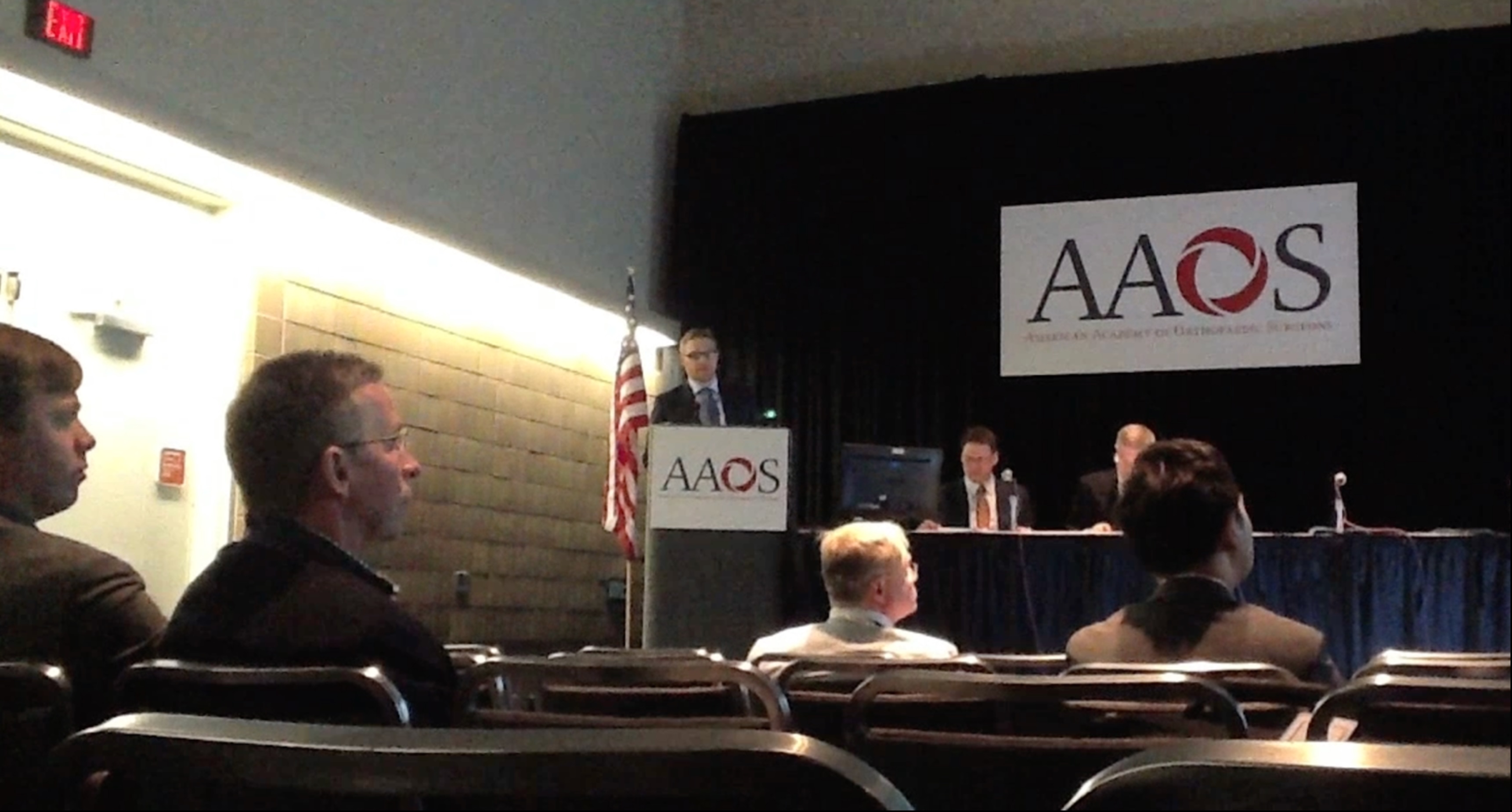
In early 2014, Teppo presented the results of the FIDELITY trial to an audience in New Orleans at the AAOS congress, a major international event in the field of orthopaedics and traumatology. The reception was challenging. Of the approximately 20,000 specialists attending the congress, only a few were pleased by the results of the FIDELITY study.
A lengthy debate ensued, sought to identify factors that would weaken the study’s results and their generalizability. After all that, the project was found to be methodologically strong and its results robust: the superiority of surgical partial removal of the medial meniscus over placebo could not be demonstrated.

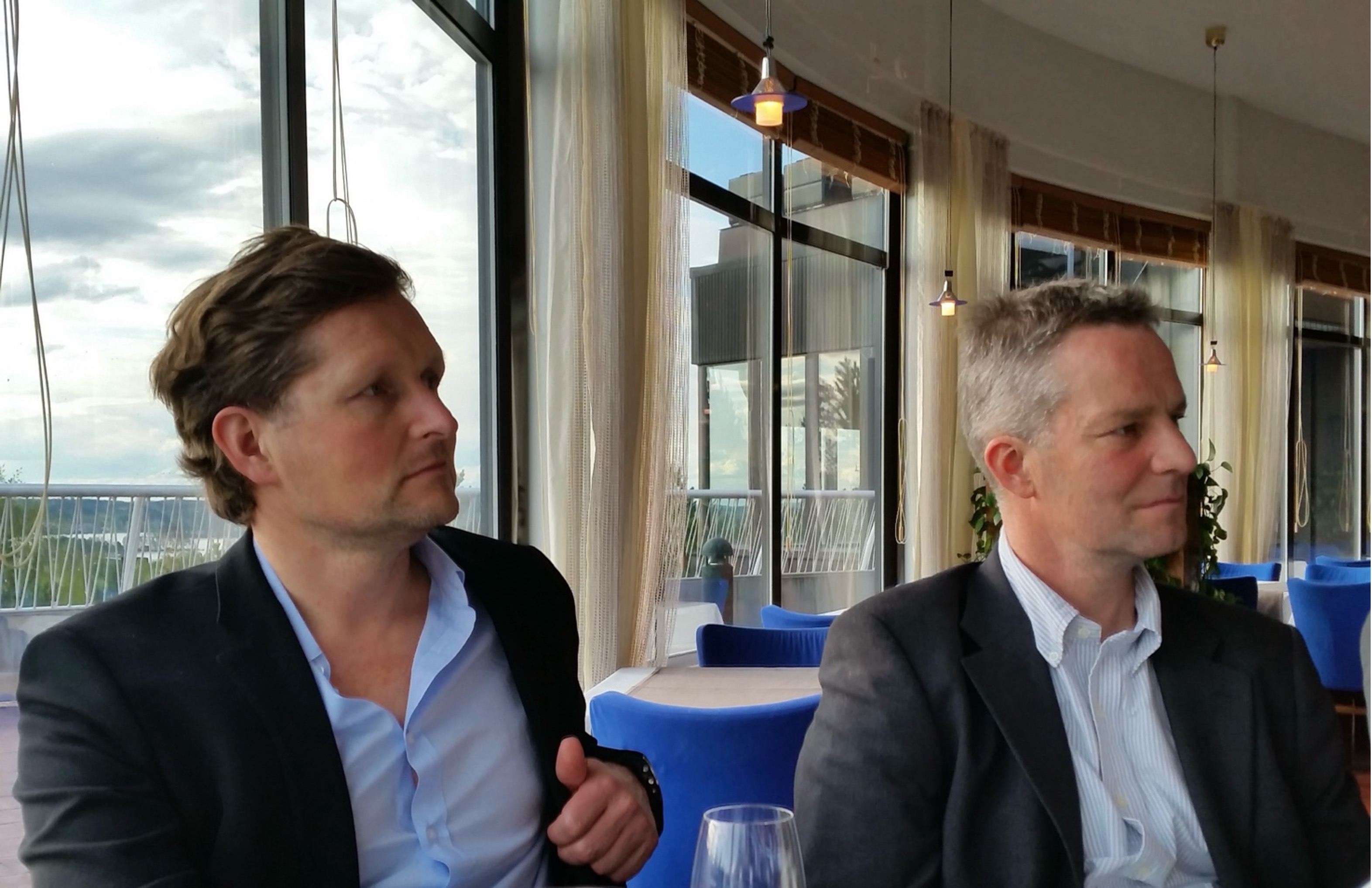
We had to conclude that we were not the first to choose the Fidelity name. We lost the race by almost 100 years.
Photo: Pirjo Toivonen.
In 2014, we gathered at Tampere University, raised a toast, and celebrated Raine Sihvonen’s doctoral dissertation, Arthroscopy for Degenerative Meniscus Tear, which also deservedly received several awards.
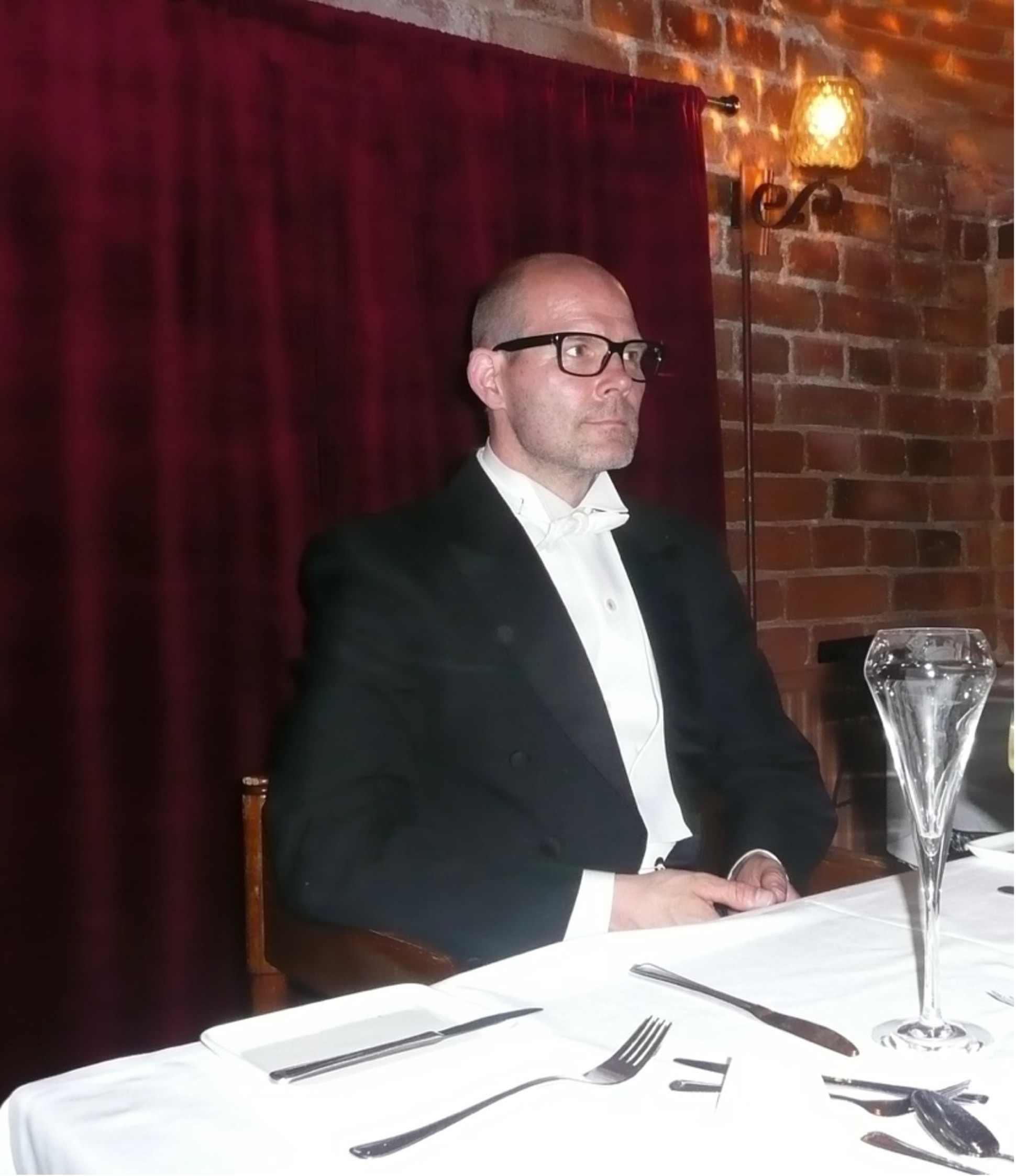
Photo: Raine Sihvonen’s family album.
In Finland, the results of the FIDELITY study influenced both the recommendations of the PALKO (COHERE, Council for Choices in Health Care in Finland) regarding the treatment of degenerative meniscal tears of the knee, and the policies of Kela (the Social Insurance Institution of Finland) concerning reimbursement for treatments provided. The results were also strongly reflected in national and international research discussions.
In terms of practical work, the FIDELITY study continued steadily despite the controversy it had generated. As new expertise was needed, the research group expanded. In addition to clinical researchers and research nurses, key contributors to the study joined the project: statistician Aleksandra Turkiewicz and Professor Martin Englund from Lund University.
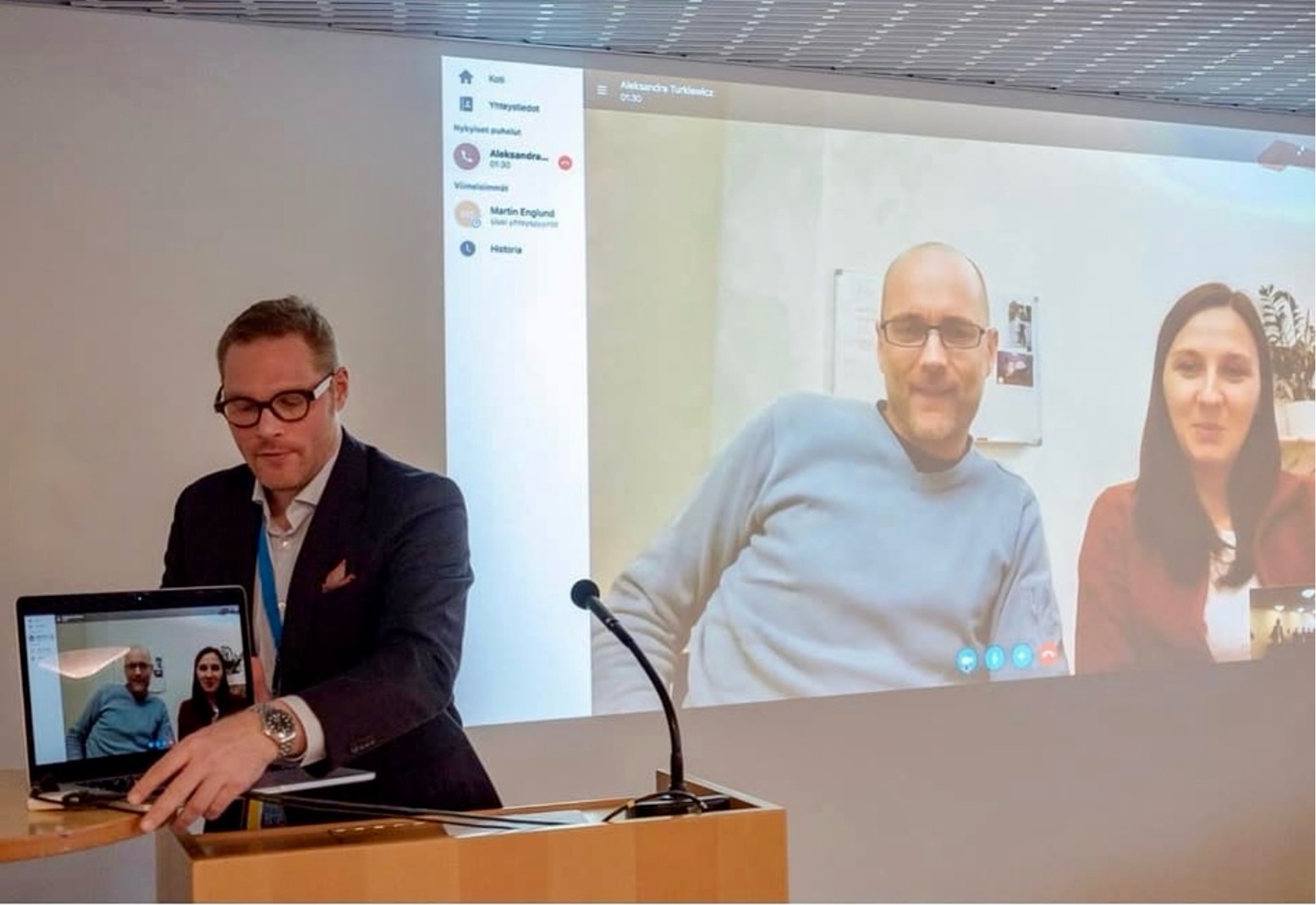
Photo: Bocardo Multimedia.
In Finland, Simo Taimela, Research Director of FICEBO, brought strong expertise to the project, and on the radiology and imaging side the group was complemented by specialist Niko Sillanpää and his colleagues. The next doctoral researcher in the FIDELITY project was Roope Kalske, a specialist in orthopaedics and traumatology.
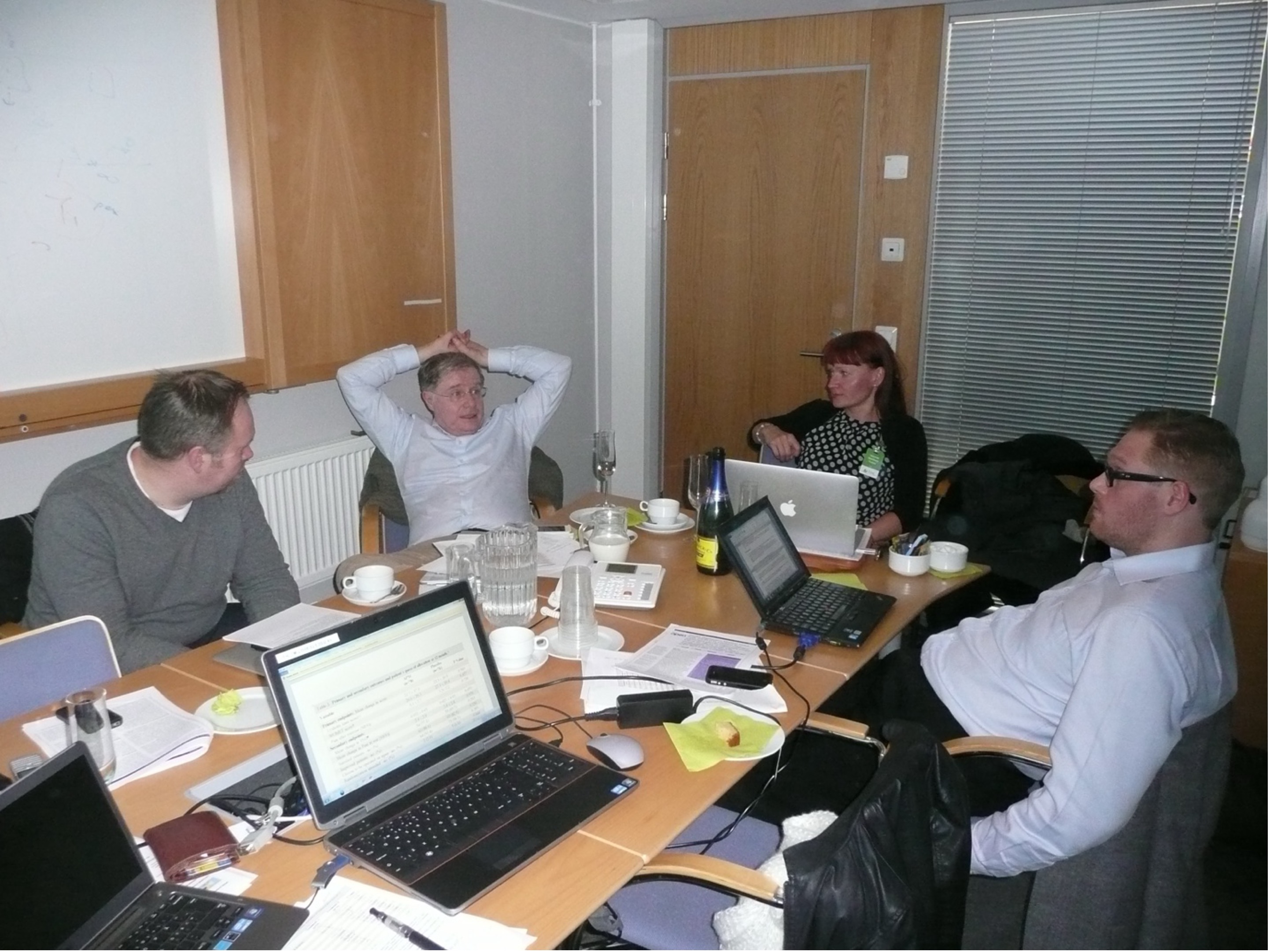
The research group met regularly for status updates, and research publications were published in major medical journals as the follow-up phases were completed.
- Effect on mechanical symptoms in Annals of Internal Medicine.
- 2-year results in the Annals of the Rheumatic Diseases
- 5-year results in the British Journal of Sports Medicine
- Cost-effectiveness analysis in Clinical Orthopaedics and Related Research
- 5-year MRI findings in Osteoarthritis and Cartilage
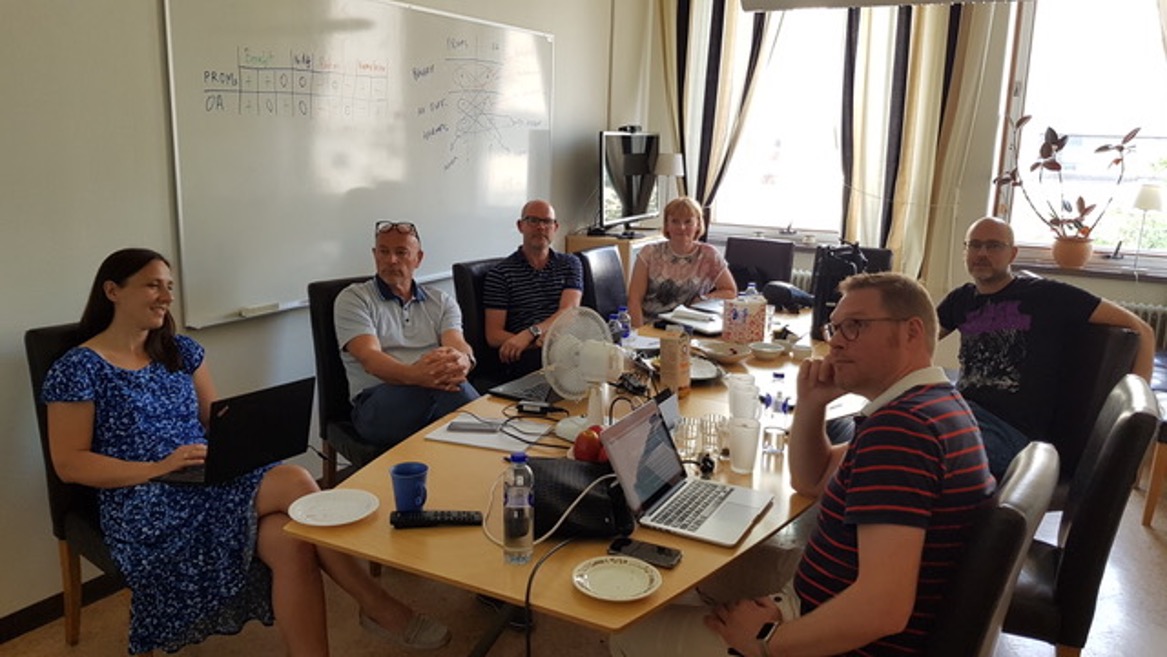
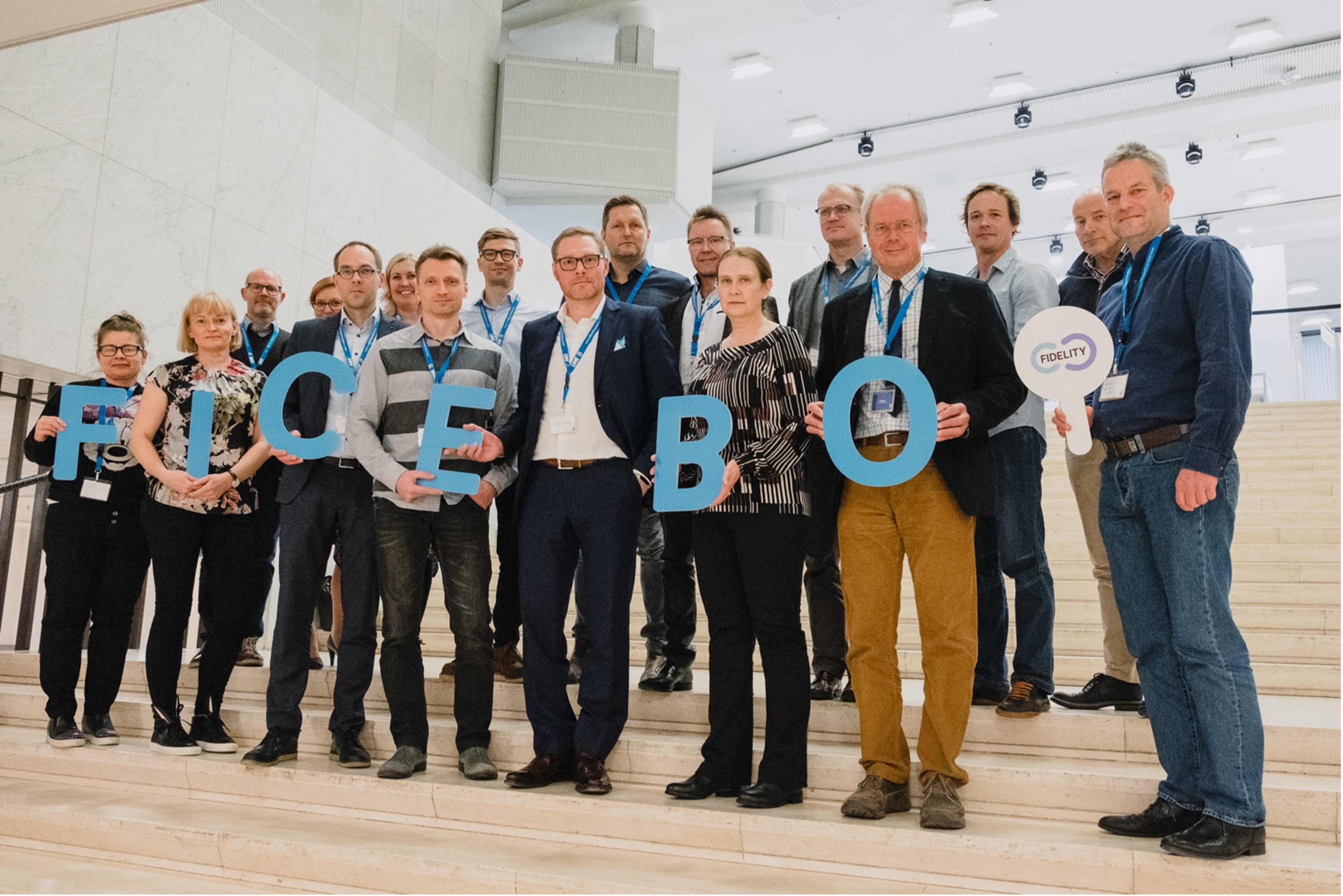
Photo: Bocardo Multimedia.
Although our Investigator Trial Files and SOPs (standard operating procedures) had been carefully compiled, almost 20-year research journey is a quite long time. Some things we had not been able to take into account. On the other hand, one might say that we became well practiced in reporting amendments. During the long duration of the FIDELITY study, we adapted to legislative changes concerning research activities and GDPR, interruptions caused by the COVID-19 pandemic, and the national restructuring of social welfare and health care services, even the organizational change of Hatanpää Hospital. When the City of Tampere relinquised hospitals independence, its operations were integrated into Tampere University Hospital.
Teppo Järvinen was appointed Professor of Orthopaedics and Traumatology at HUS and the University of Helsinki, and the continuation of the FIDELITY study was secured amid the changes through its strong leadership and the trust of its funders.
The commitment of the study patients continued throughout the years. The clinical part of the study was successfully completed, and we are proud to say, that more than 90% of the study patients who had begun their FIDELITY trial journey at five hospitals more than 10 years earlier participated in the final follow-up phase.
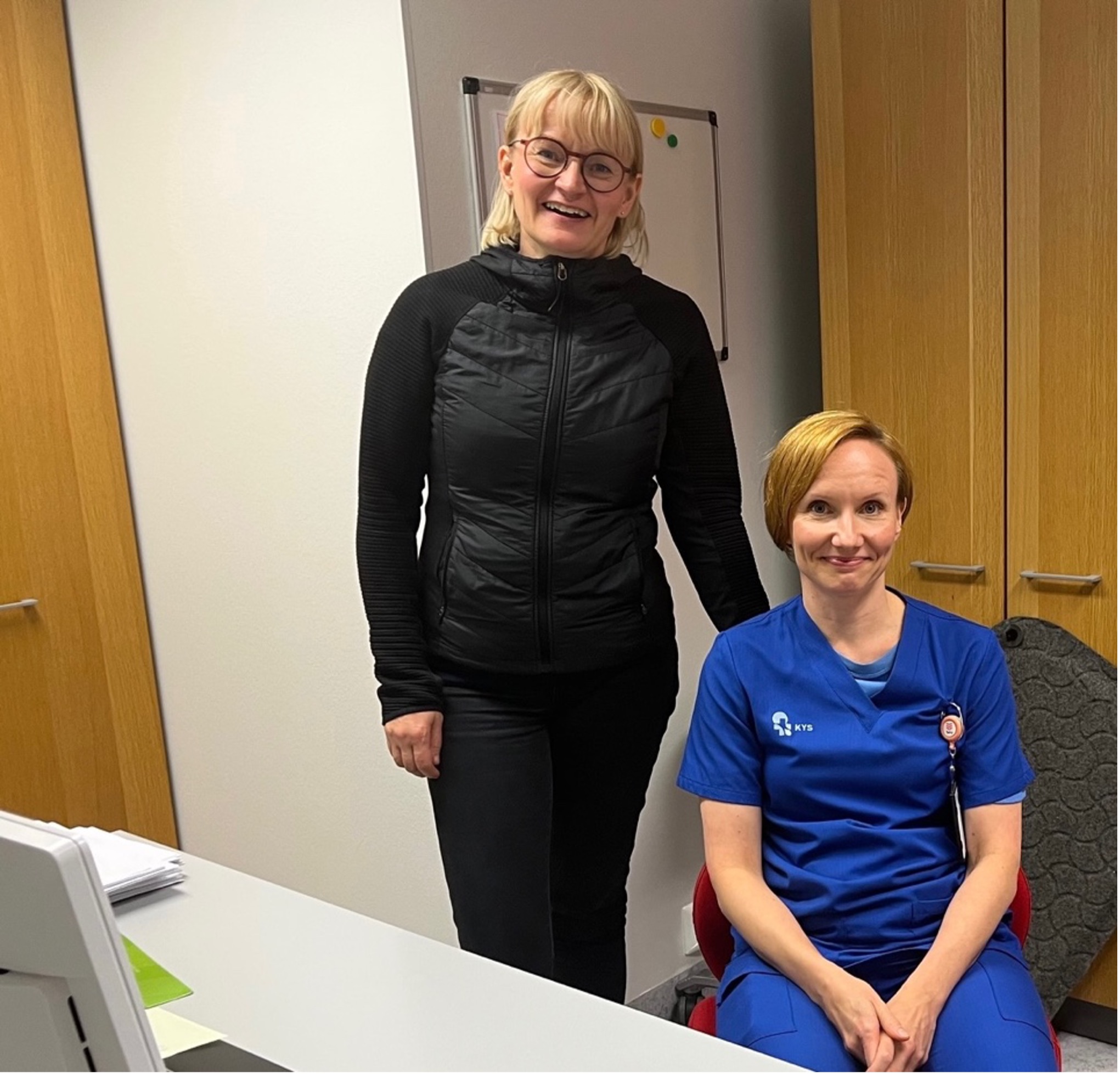
Some time has already passed since the clinical part of the study was completed.
And what about the key results of the final follow-up phase?
At present, we are only able to say that we believe they will spark discussion.



Stay up to date
Follow FICEBO on social media to stay in the loop with our latest updates.
